
Daniel McDonald Book Launch:
‘Peripheral Citizenship: Popular Movements and the Progressive Catholic Church in Urban Brazil’
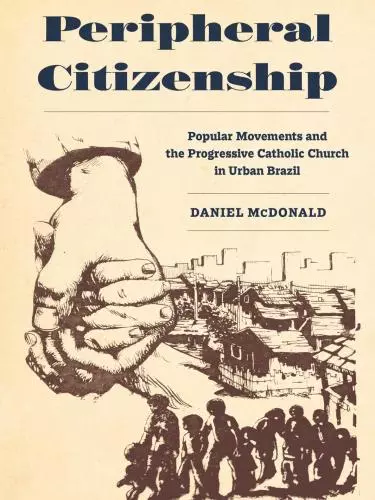
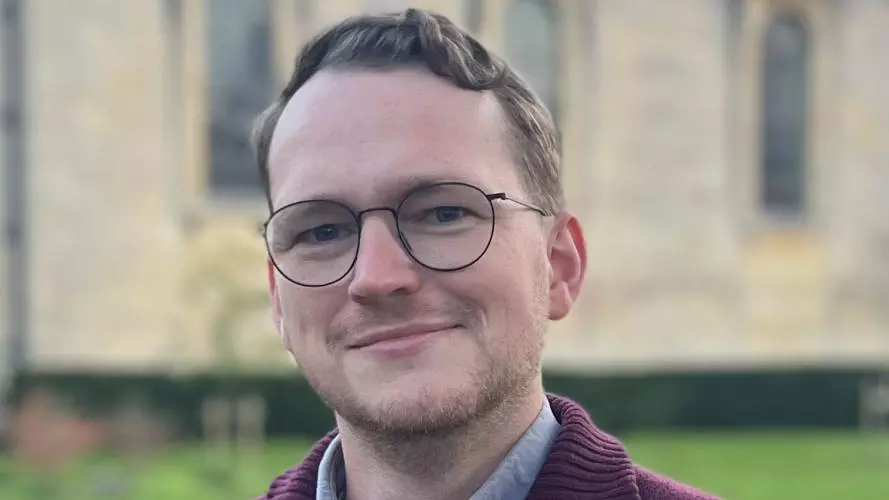
On October 29, the LAC History Seminar will host a book launch for Daniel McDonald’s Peripheral Citizenship: Popular Movements and the Progressive Catholic Church in Urban Brazil, recently published by the University of California Press. Dr McDonald is a Fulford Junior Research Fellow at Somerville College with a joint appointment in the Oxford School of Global and Area Studies and the Faculty of History. Concurrently, he is a research fellow for the “Global Pontificate of Pius XII” project based at the German Historical Institute in Rome. He will be joined for the book launch by discussant Courtney Campbell, Professor of Latin American History and Joint Director of the Brazil Institute at the University of Birmingham.
Peripheral Citizenship is a groundbreaking account of how popular movements and the progressive Catholic Church placed the material and spiritual needs of Brazil’s expanding urban peripheries at the center of a pioneering democratization process. It examines the grassroots construction of a radical vision of rights and democracy across transformative processes typically treated separately: rural-urban migration and unequal urbanization, the rise and fall of military dictatorships, and the advent of liberation theology. In so doing, McDonald’s book challenges typical top-down accounts by showing how progressive activists, clergy, grassroots organizers, and liberation theologians constructed citizenship from the peripheries of the city, the Church, and the nation.
Based on over fifty oral histories and an innovative collaborative archiving and digitization initiative, the book explains how diverse popular movements and progressive Catholics in the urban periphery of São Paulo drew on everyday life and liberation theology to craft a vision of what McDonald calls “peripheral citizenship” that combined new social rights and forms participatory democracy. Across Brazil’s dictatorship (1964-1985) and post-1985 democratic transition, these actors used this vision to not only push for a return for democratic rule, but to demand a more profound democratization of both Brazil and the Church.
Key to this vision was a sweeping rethinking of the structure and social role of the Catholic Church. Peripheral Citizenship offers among the first comprehensive examinations of the construction of a progressive “popular Church” in the urban periphery of a major Latin American city. The book moves beyond intellectual analyses of liberation theology’s evolution to show its contingent development as clergy and lay activists grappled with the rise of the megacity. Connecting the local and global, the book situates these developments within the ideas sweeping the Catholic world around the Second Vatican Council through the clash between the Vatican and Latin American liberation theology in the 1980s.