
Beyond #RhodesMustFall: International Students, Class and Belonging in South Africa’s Campus Protest
Dr Veera Tagliabue
14 September 2026
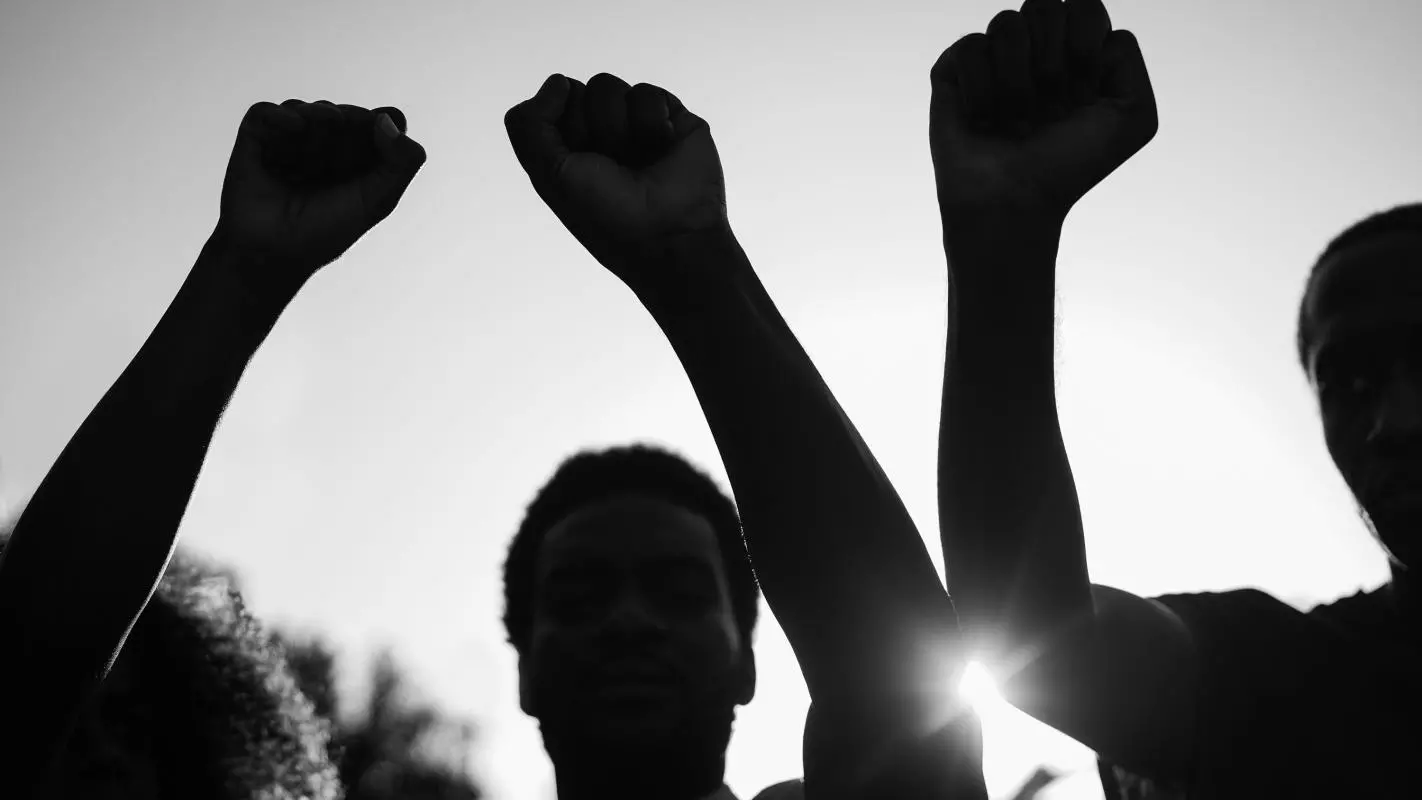
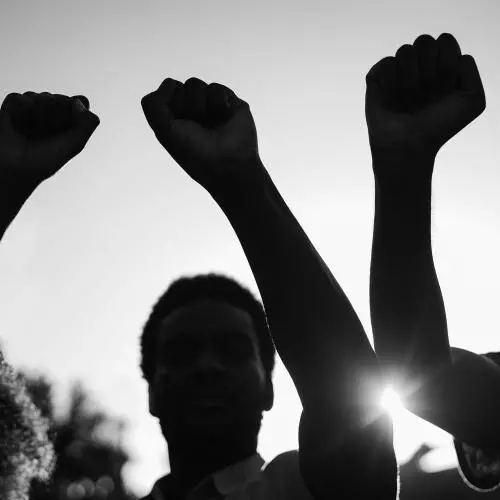
Photo credit: DisobeyArt / Adobe Stock
Although its citizens have been formally equal before the law since the end of apartheid in 1994, South Africa remains one of the most unequal countries in the world. Apartheid institutionalised profound racial inequalities, many of which persist today. At the same time, post-apartheid South Africa has experienced growing class differentiation, including within the Black population.
Class tensions were especially visible on university campuses during the 2015-16 protest movements. My ethnographic research at Rhodes University in Grahamstown (now Makhanda) examined the class experiences of international students from neighbouring Southern African countries.
While many South Africans viewed #RhodesMustFall and #FeesMustFall as a continuation of the anti-apartheid movement, international students often felt excluded from the debates. My research contributes to understanding South Africa's ongoing class conflict by showing how international students' experiences of identity, aspiration and belonging reveal its less visible dimensions.
Aspiration
Higher education systems in many Southern African countries struggle to meet demand, while university credentials are increasingly important for employment and social mobility. Many students therefore choose to study abroad – particularly in South Africa, where Southern African Development Community (SADC) member state citizens enjoy a special status in terms of tuition fees.
Associated with academic quality and prestige, historically White institutions such as Rhodes University attract students from across the Southern African region. Most of my research participants came from middle-class families who could not afford universities in the Global North but still made significant sacrifices to provide their children with the best education possible.
With their hopes and expectations, these students arrived in South Africa during a period of growing anger and frustration. Many young South Africans felt that the promises of a better life after apartheid had not been fulfilled. Tuition fees had become unaffordable for many families, and student debt continued to rise. Even elite universities were distributing toothbrushes and sanitary products to students.
Fallism
In March 2015, protests began at the University of Cape Town after student activist Chumani Maxwele threw human waste at a statue of the British imperialist Cecil John Rhodes. The act sparked the #RhodesMustFall movement, which demanded the removal of colonial symbols, and broader transformation within universities. Students argued that universities still reflected white cultural dominance and failed to address the realities faced by poor Black South Africans.
The protests soon expanded into the broader #FeesMustFall movement, demanding affordable tuition fees. At the same time, corruption scandals surrounding President Jacob Zuma fuelled wider political anger through campaigns such as #ZumaMustFall.
Some protests became violent, resulting in arrests and expulsions. At Rhodes University, academic programmes were disrupted and students’ degrees delayed. For international students, the disruptions caused additional financial burden and complicated their visa renewals.
Although the government eventually announced a zero-percent tuition fee increase for 2016, many protesters felt that deeper structural problems remained unresolved. Rhodes University did not even manage to change its controversial name after its Council voted against in 2017, citing ‘financial constraints’.
Xenophobia
Inequality often produces feelings of neglect and exclusion, which can in turn fuel anger toward outsiders. In South Africa, migrants from other African countries are frequently blamed for unemployment and insecurity, particularly in poorer communities.
During the protests, attacks against foreign-owned businesses erupted in Grahamstown’s townships while police resources were focused on the campus. One Zimbabwean participant told me that he had hidden in his apartment while mobs searched for foreigners to assault.
Although international students rarely experienced direct xenophobia on campus, many nevertheless felt isolated in the political environment. The protest discourse focused strongly on disadvantaged Black South Africans’ experiences of racial and economic marginalisation, and my research participants felt excluded as non-South Africans.
Identity Politics
Ultimately, protest politics came to revolve around questions of identity and privilege. Middle-class students were sometimes viewed with suspicion or accused of only caring about their own social advantages. International students often felt they were assumed to be wealthy outsiders who could not understand the struggles of poor South Africans.
The students participating in my research found this frustrating. Most came from ordinary families living modest lives and making significant sacrifices to fund their education. Despite being labelled ‘middle class’, some skipped meals or struggled to afford mobile data. Yet, within the highly polarised atmosphere of the protests, neutrality was rarely possible.
Culture Shock
Most of my research participants found the protests deeply unsettling. Particularly Zimbabwean students associated them with memories of political unrest back home, while some others had never witnessed street violence before. Many avoided participating out of fear of getting arrested, losing their visas and jeopardising their studies.
International students also struggled to understand the intensity of divisions based on race and class in South Africa. Some participants described coming from environments in which this kind of confrontational student activism was less familiar. As a result, many withdrew from political conversations, rendering their experiences of exclusion invisible.
Language
During my fieldwork, I asked students at Rhodes University how they recognised each other’s class backgrounds. While material possessions such as smartphones and clothing brands mattered, students also emphasised language and accent as key markers of class.
Most South African universities operate in English. Because schooling in the country remains deeply unequal, educational background often becomes audible through vocabulary and accent. Students from private schools typically adopt forms of English associated with middle-class status, while those from poorer schools may speak with stronger influences from local languages.
Students therefore often formed friendships with others from similar class backgrounds, where they felt less pressure to hide their accents or fear being misunderstood. Rather than dissolving class divisions, university life may actively reinforce them.
My research participants’ inability to speak local South African languages forced them to communicate in English. In the eyes of the protesters, this contributed to international students’ Otherness both as foreigners and class adversaries.
Recognition
The experiences of international students during the campus protests expose a deeply political conflict in South Africa shaped by assumptions regarding identity. The ideal of ‘speaking with one voice’ to galvanise the protest movements resulted in division and exclusion.
The protests revealed competing claims to recognition and belonging, as different groups sought acknowledgement of their experiences, grievances and place within South African society. Whereas South Africans demanded justice for historical inequalities, international students sought acknowledgement of their own experiences of exclusion and misunderstanding.
More than a decade after #RhodesMustFall began, the quest for transformation both at South African universities and the wider society is still ongoing. In a climate of escalating xenophobic violence, the concerns of international students remain overlooked. As my research suggests, it is more important than ever to acknowledge the multiplicity of voices to understand and tackle social inequalities in South Africa and beyond.
This blog post is based on: Tagliabue, V. V. (2022) ‘Too Rich to Care? Southern African (SADC) International Students Navigating Transnationalism and Class at South African Universities.’ Journal of Southern African Studies 48 (1), 5-21. https://doi.org/10.1080/03057070.2022.2018837
Dr Veera Tagliabue is an independent researcher, asylum caseworker, charity coordinator and an EDI panellist based in Liverpool, UK.